By Avi Liran, with insights from Andrew Swinand, CEO of Inspired Thinking Group.
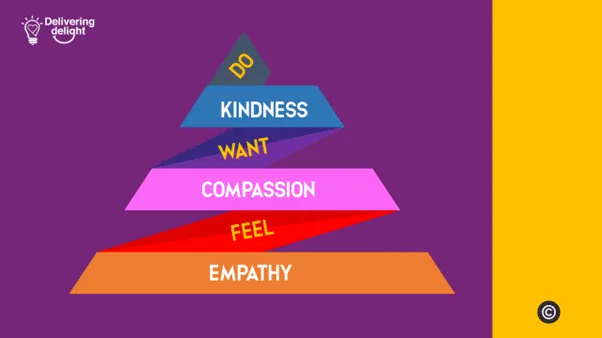
Kindness in business is not just good karma. It is a strategy that builds trust, opens doors and drives shared success. Much of what you put into the workplace finds its way back, sometimes with interest. Here is why kindness is a competitive advantage, and five ways leaders build it into a culture.
A door that opened because of a reputation
When Andrew Swinand and his team founded Abundant Venture Partners, they operated on a simple belief: do well while doing good, and success is shared. As they sought investors, they filtered for partners who were both excellent and kind, and one name kept surfacing, a financial powerhouse everyone said was too big for a small team to reach. Andrew emailed their leadership anyway, explaining how their values aligned. Within 24 hours the managing partner replied. He rarely responds to such emails, he said, but this one was different, because he already knew Andrew’s name. His son had told him: Andrew was the mentor who had helped young graduates find their footing, expecting nothing in return. A locked door swung open because a reputation built on generosity precedes you into the room. Kindness is a currency that appreciates over time.
Five practices that build a culture of kindness
Andrew Swinand treats kindness as a strategic force, not a personality trait, through five practices:
- Radical self-care. You cannot pour from an empty cup. Manage workload, set priorities and boundaries, and know when to recharge so you bring your best self to work.
- Do your job well, and support others. Excellence and kindness go together. When a colleague is struggling and your load is lighter, offer to help, even outside your normal scope. Small favours build camaraderie.
- Connect intentionally. Strong relationships do not happen by accident. Frequent check-ins, active listening and genuine interest reveal colleagues’ challenges and what motivates them.
- Recognise and acknowledge. The brain processes verbal affirmation much like financial reward. Praise and gratitude make people feel valued and lift morale.
- Give conscientious feedback. Kindness is not avoiding hard conversations. It is honest, sensitive feedback that builds someone up. Niceness borders on people-pleasing; kindness is honest yet caring.
Embed these and kindness becomes a force multiplier, one that drives innovation, lifts morale, and creates success shared across the team.
Frequently asked questions
Is kindness really a business strategy?
Yes. Kindness builds trust and reputation, which open doors and strengthen collaboration. It is an asset that compounds over time, not a soft extra.
What is the difference between niceness and kindness at work?
Niceness can slide into people-pleasing and avoiding hard truths. Kindness is honest and caring at once, including feedback that helps someone grow.
How do leaders build a kinder culture?
Through self-care, reliable support of colleagues, intentional connection, genuine recognition, and honest, constructive feedback, practised consistently.
If you want to build a stronger, more human workplace culture, Growth Academy Asia can match you with vetted leadership and culture training providers across Hong Kong and Asia.